
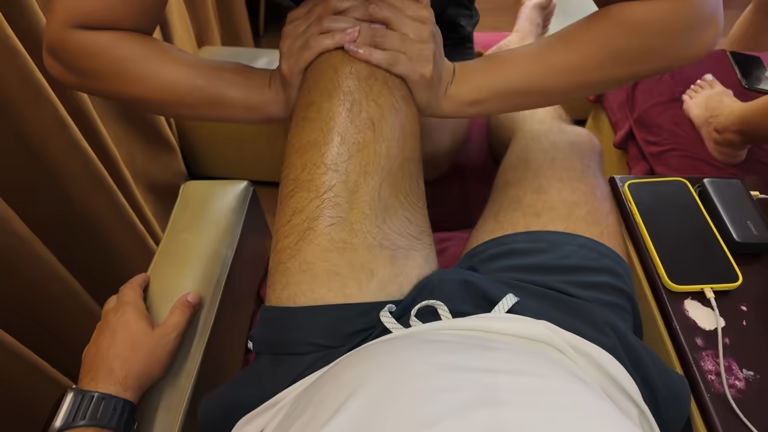
Do Massage Chairs Help With Recovery After Active Weekends?
After an active weekend filled with physical activities such as hiking, running, sports, or intense workouts, many individuals seek effective ways to recover and rejuvenate their bodies. One popular method gaining attention is the use of massage chairs. These devices are designed to simulate the experience of a professional massage by targeting key muscle groups through various techniques like kneading, tapping, rolling, and vibration. But do massage chairs truly help with recovery after an active weekend?
Massage chairs offer several benefits that can aid in post-activity recovery. First and foremost, they promote relaxation by reducing muscle tension and stiffness. Physical exertion often leads to microtears in muscle fibers and accumulation of lactic acid, causing soreness and discomfort. The mechanical action of a massage chair reviews helps increase blood circulation to these affected areas. Improved blood flow facilitates the delivery of oxygen and nutrients necessary for tissue repair while also aiding in the removal of metabolic waste products that contribute to fatigue.
In addition to enhancing circulation, massage chairs stimulate the nervous system in ways that can reduce stress hormones such as cortisol while boosting endorphin levels-natural painkillers produced by the body. This hormonal shift not only alleviates pain but also enhances mood and promotes a sense of well-being after strenuous activity.
Another advantage lies in improved flexibility and range of motion. Regular use of a massage chair can help loosen tight muscles and improve joint mobility by breaking down adhesions or knots formed during intense movement or repetitive strain over the weekend’s activities.
Moreover, convenience plays a significant role when considering recovery methods after busy weekends. Unlike scheduling appointments with therapists or visiting spas-which may be time-consuming-massage chairs provide immediate access at home whenever needed. This accessibility encourages consistent use which is crucial for long-term benefits.
However, it’s important to acknowledge certain limitations as well. While massage chairs are effective for general muscle relaxation and mild soreness relief, they cannot replace hands-on therapy provided by trained professionals who can diagnose specific injuries or conditions requiring targeted treatment plans. Individuals experiencing severe pain or injury should consult healthcare providers before relying solely on self-administered massages.
In conclusion, incorporating sessions with a quality massage chair into your post-active weekend routine can significantly support recovery efforts by reducing muscle tension, improving circulation, enhancing flexibility, and promoting relaxation-all essential factors for optimal healing after physical exertion. When used appropriately alongside other recovery strategies such as hydration, proper nutrition, rest, and stretching exercises; massage chairs serve as valuable tools contributing positively toward faster recuperation from demanding weekends spent engaging in physical activities.